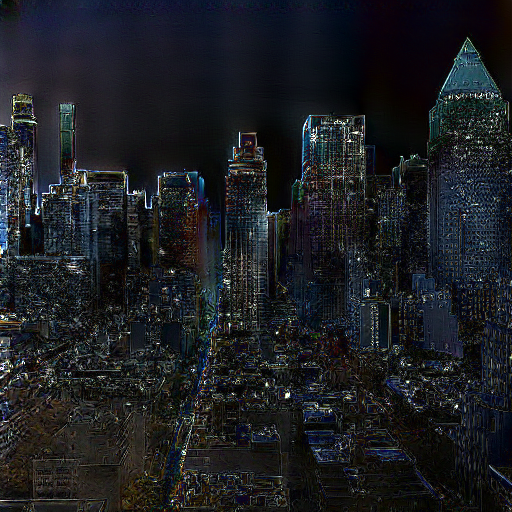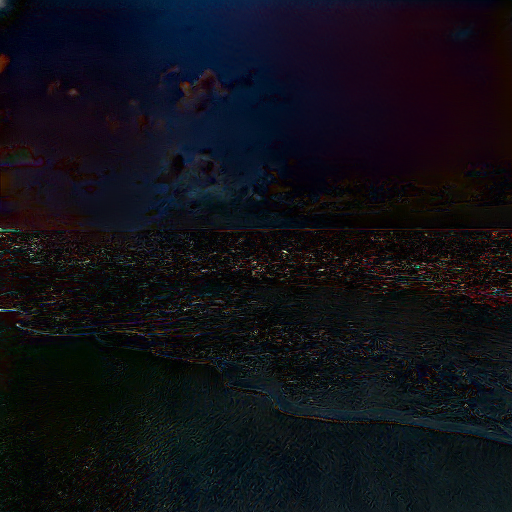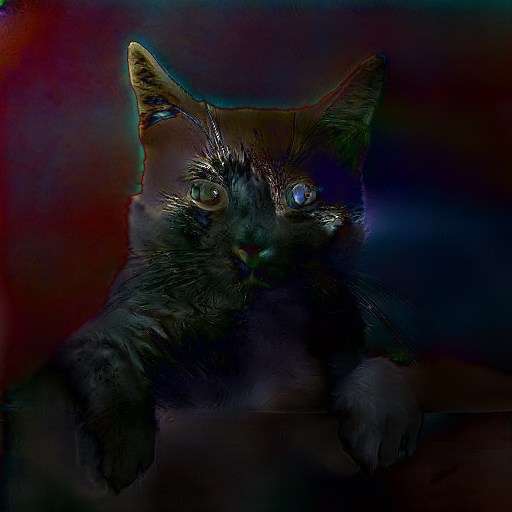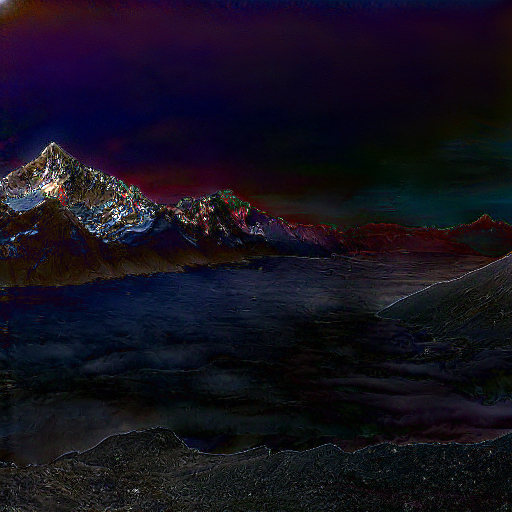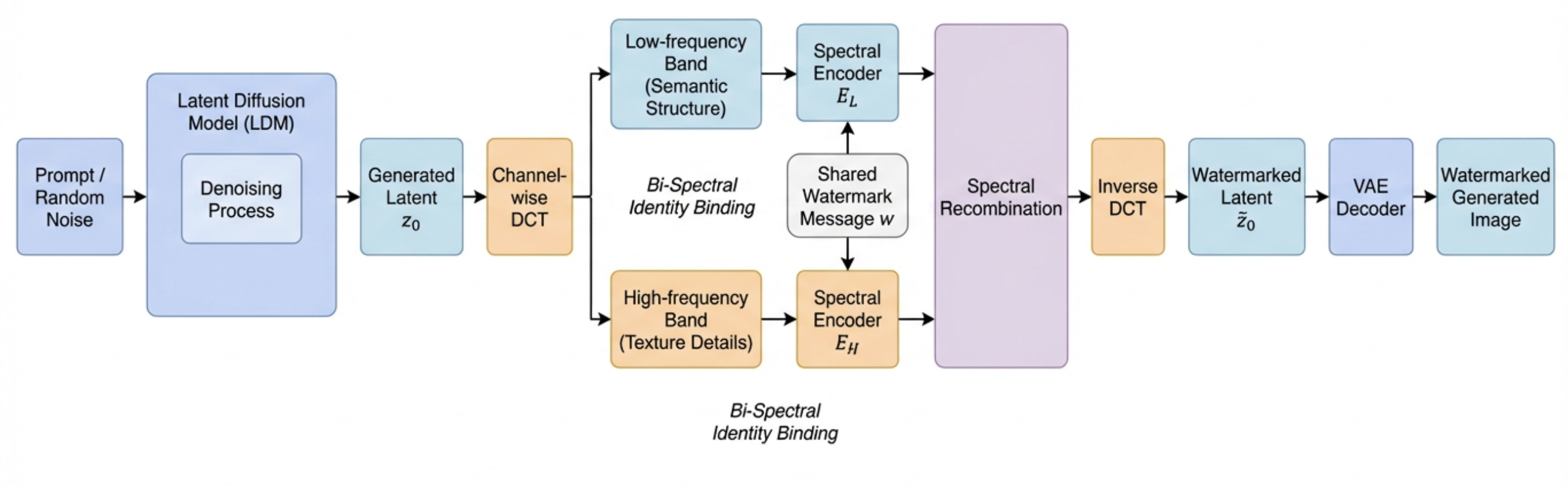
Diffusion models have made synthetic imagery increasingly realistic, creating a growing need for reliable provenance and attribution mechanisms. Invisible watermarking offers one approach, but existing methods often operate after image generation, treat latent representations primarily as spatial feature maps, or rely on fixed frequency-domain patterns. These signals can weaken when generated images undergo compression, geometric transformations, or diffusion-based regeneration.
BiSLW introduces a trainable bi-spectral latent watermarking framework that explicitly uses the internal frequency structure of diffusion latents. A channel-wise Discrete Cosine Transform separates the latent representation into complementary low-frequency and high-frequency components. The low-frequency band captures coarse semantic structure, while the high-frequency band represents finer textural information.
A shared watermark message is independently embedded into both spectral regions using lightweight learned networks. Dual spectral decoders recover the identity from both pathways, while a cross-band consistency objective encourages the two representations to encode the same watermark. This creates structured redundancy across complementary generative modes.